
Industries We Serve
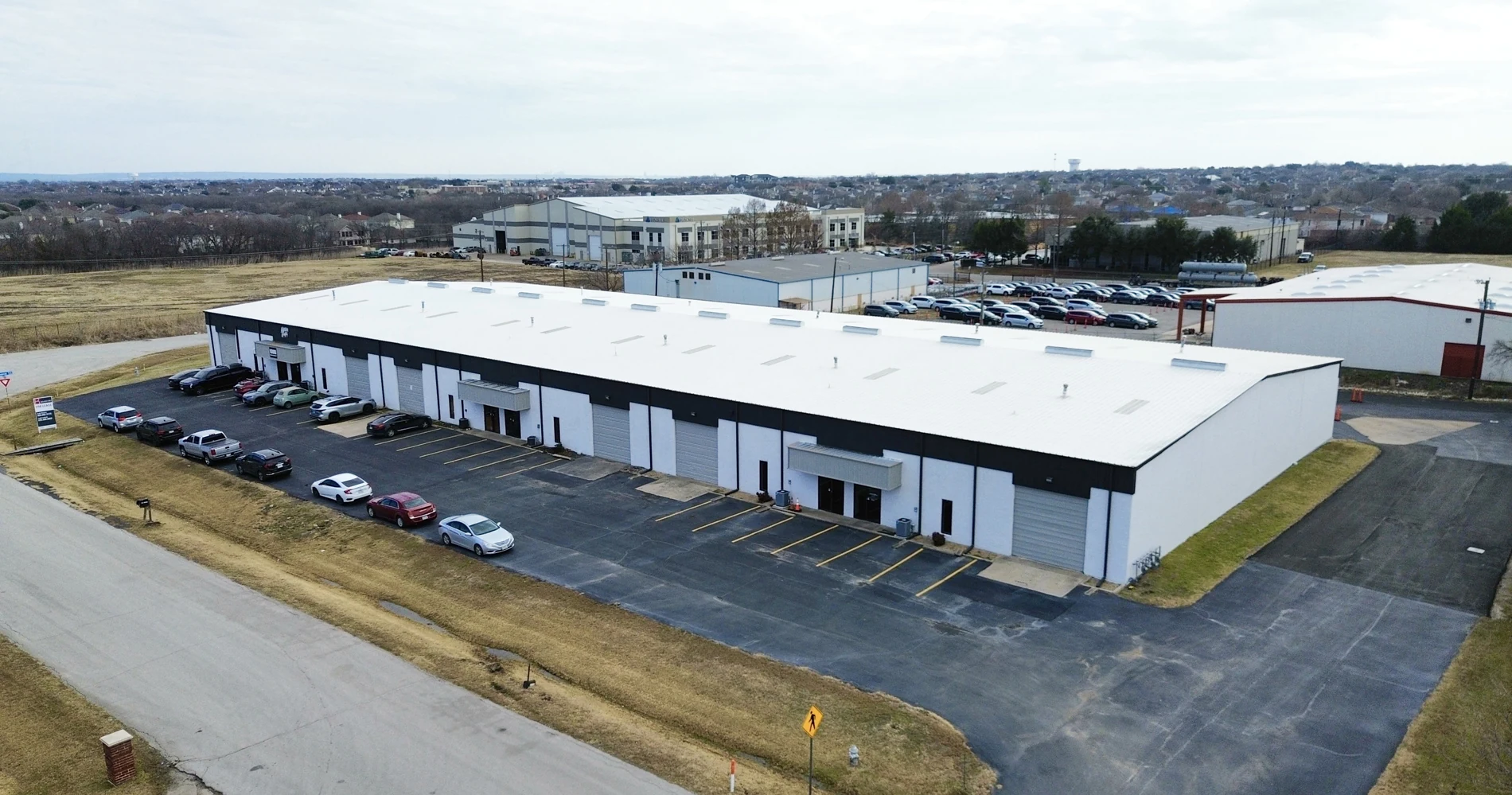
Manufacturing Facility Roofing in Winston-Salem, NC
Roofs Built to Carry What a Production Floor Puts on Them
A manufacturing roof answers to the process below it. Exhaust, dust collection, steam lines, and heavy rooftop HVAC all load a plant roof differently than an office building, and a shutdown to fix a leak costs more than the repair itself. We work with plant engineers and facilities managers across the Triad's manufacturing base on that basis, matching the membrane and detailing to what the building actually produces.
Plant Engineers and Facilities Managers We Work With
Our contact on these jobs is almost always internal plant staff: a facilities manager, a plant engineer, or a maintenance superintendent who owns the roof as part of a broader plant asset list. That covers everything from Hanesbrands' distribution and manufacturing footprint to the Reynolds American complex in Tobaccoville, the Caterpillar plant at Union Cross Business Park, Unifi's yarn plants around Yadkinville, and the furniture manufacturing base still running in Thomasville, Lexington, and Mocksville.
Each of those plants has a different roof history. Some are single-story production buildings with roofs original to a 1980s or 90s build, others have been through multiple additions with different membrane types stitched together at the tie-ins. We start by mapping that history against the plant's own maintenance records before proposing any work.
Rooftop Equipment Loads That Change the Assembly
Process exhaust fans, baghouse dust collection units, steam and condensate piping, and oversized rooftop air handlers all add point loads and vibration that a standard commercial deck was never designed to carry. We check structural capacity and curb detailing against that equipment list before recommending a membrane, because a roof spec that works for an office building can fail fast under a plant's actual mechanical load.
Roof penetrations multiply with every piece of process equipment added over the years, and each one is a potential leak point. Part of our assessment on an older plant roof is simply counting and evaluating every penetration against what is currently on record, since additions made without updated drawings are common. We also check whether curb flashing was detailed for the original equipment or retrofitted around a later addition, since retrofit flashing is where we find the most recurring leaks on older plant roofs.
Working Around Chemical and Particulate Exposure
Textile dust, wood dust from furniture production, and airborne oils or solvents from finishing and coating operations all land on a plant roof over time. Standard membranes degrade faster under that kind of exposure, which is why we specify chemical-resistant options, including silicone coatings or PVC membrane in place of standard TPO, on roofs downwind of exhaust stacks or finishing lines.
We also account for grease and oil exposure near loading docks and compressor rooms, where a membrane rated for general commercial use can soften or blister well before its expected service life.
Scheduling Around Production, Not Around Us
A plant roof project gets scheduled around the production line, not the other way around. Before mobilizing, we work through what a plant's operations and safety teams require:
- Night or weekend work windows that avoid first and second shift production
- Hot-work permits for any torch-applied or heat-welded membrane work
- Coordination with a planned plant shutdown where full roof sections need to come offline
- Confined space and roof access permits matched to the plant's own safety program
- Lockout/tagout coordination near rooftop equipment tied into production systems
- Material staging that keeps forklift and truck routes to the dock clear
FM Global and Insurer Loss-Prevention Requirements
A large share of manufacturing plants in this region carry FM Global or a similar loss-prevention-driven insurer, which means the roof assembly has to meet specific wind uplift, hail, and fire classification standards that go beyond local building code minimums. We specify FM-approved assemblies where that applies and provide the documentation a plant's risk management team needs to keep its policy in good standing.
Insurers also look at how a plant maintains its roof between major projects. A documented inspection and maintenance history carries weight in a loss-prevention review, and we structure our service records so a plant can hand them directly to its insurer or corporate risk office without reformatting.
Plants running multiple shifts also tend to generate more rooftop foot traffic from maintenance staff servicing HVAC and process equipment, which wears membrane around walkways faster than exposure alone would. We flag heavy-traffic zones for walkway pad protection during our inspection, since that's a cheaper fix than repairing worn membrane after it starts leaking.
Questions Plant Engineers Ask Us
Can you work around a plant that never fully shuts down?
Yes. We build most manufacturing projects around night and weekend windows and section off active work zones so production continues on the floor below.
Do you handle roofs with heavy process exhaust and dust collection equipment?
We evaluate rooftop equipment loads and penetration counts against the existing deck before specifying a membrane, and we detail curbs and penetrations to match what a plant's process equipment actually requires.
Can you meet FM Global roof assembly requirements?
We specify FM-approved assemblies where a plant's insurer requires them and provide the documentation needed for the plant's loss-prevention file.
What membrane holds up best against dust and chemical exposure?
It depends on the exposure. Textile and wood dust, oils, and solvents each affect membranes differently, and we typically recommend silicone coatings or PVC membrane over standard TPO on roofs exposed to heavier chemical or particulate loads.
Do you require a full plant shutdown for a reroof?
Not usually. We section the roof and phase the work around production, reserving a full shutdown coordination only for roofs where the entire structure needs to come offline at once.